Custom OS Template (Windows)
An organisation administrator can create a Customised OS Template which can be used for instantiating remote desktops. This is useful as well to activate your own licence on your OS.
These steps are essential to create an image successfully. Tread carefully.
Important:
About Disk Partition
1. Customised template requires only one disk partition, or two partitions: one is EFI/Boot partition and the other is the system and data partition.
2. LVM partition is not supported, please do not use.
3. The wrong partition scheme will cause disk auto-resize and machine naming features to fail.
Windows
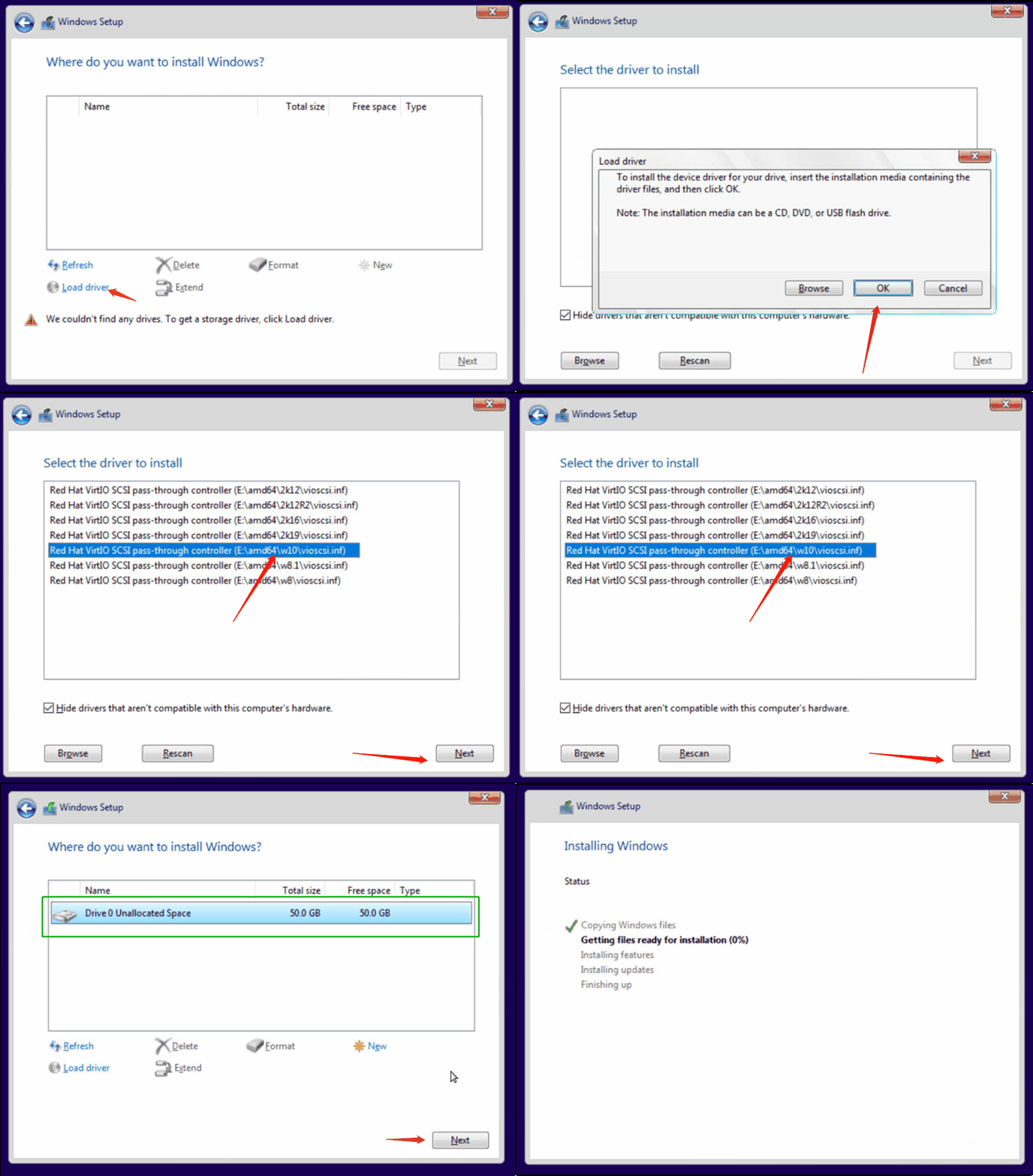
1. Install "Red Hat VirtIO SCSI pass-through controller
When asked about "Where do you want to install Windows?". Click "Load drivers", then select the right driver accordingly. After that, you will see the storage drive.
2. Initial Setup
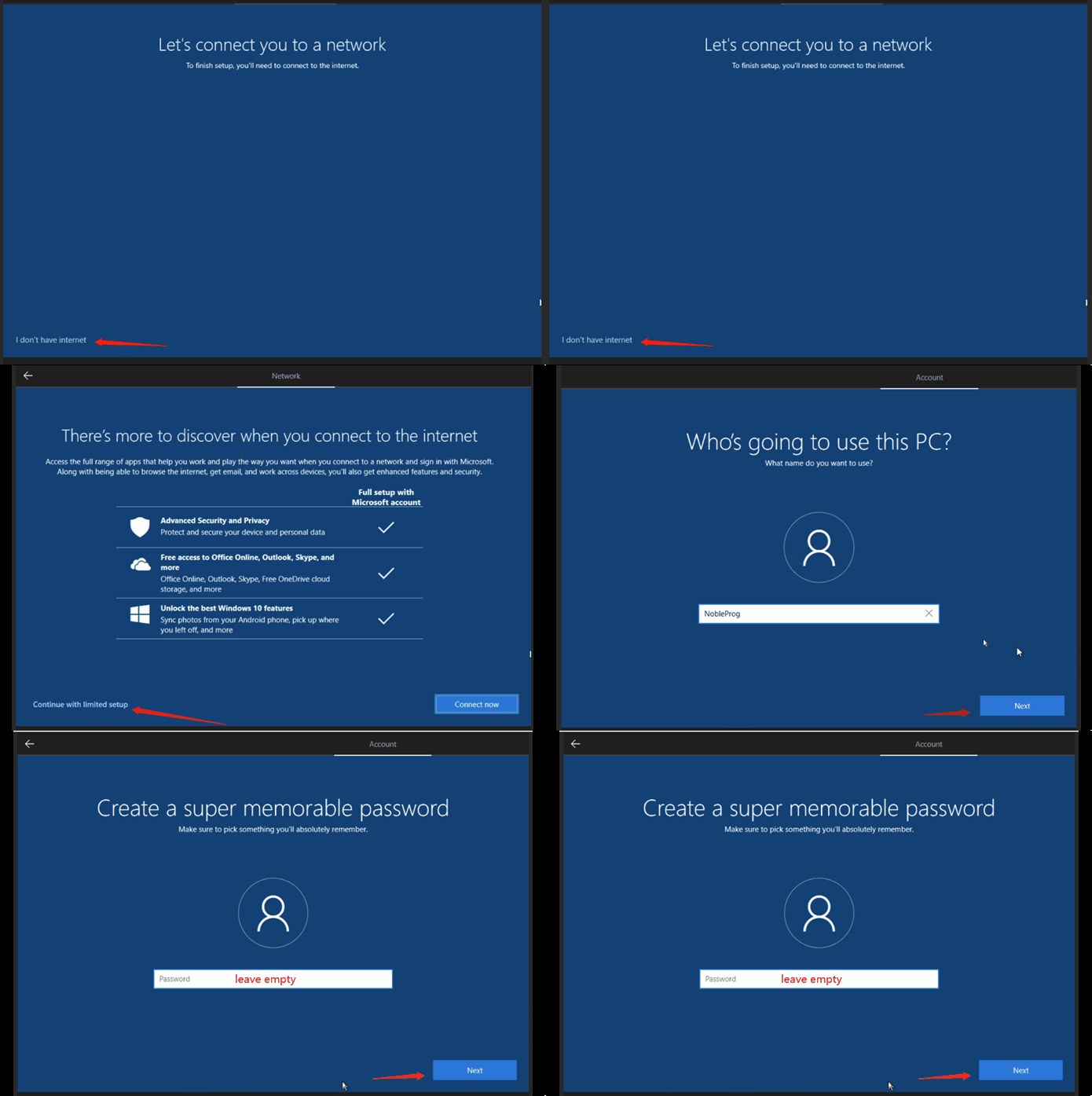
Click I don't have internet when asked "Let's connect you to a network"
Click Continue with limited setup when asked "There's more to discover..."
Enter any username but leave the password blank
3. Install Virtio-win drivers and guest agents
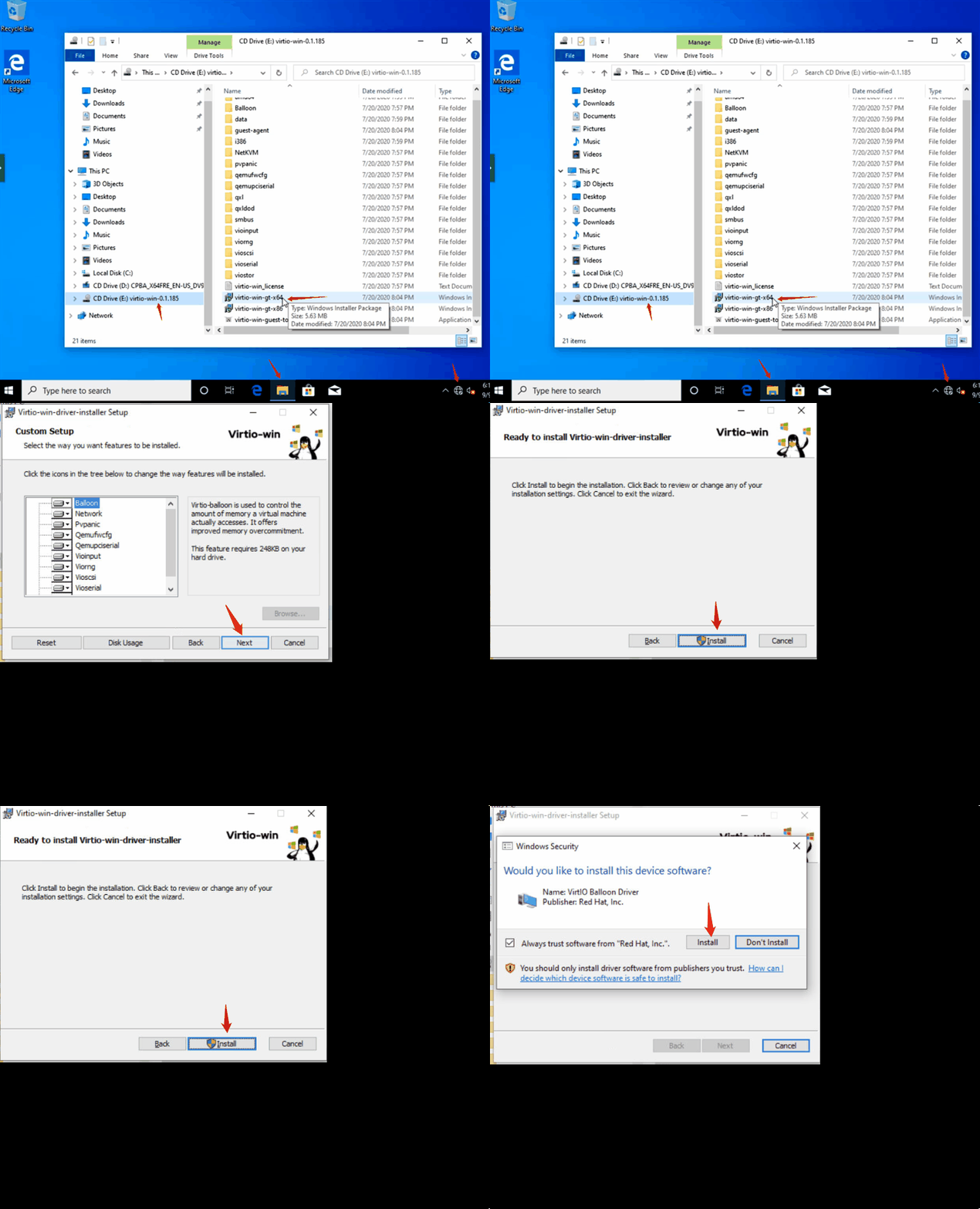
Once the machine has started and you're logged in, go to CD Drive E and run Virtio-win-guest-tools to install the virtio drivers, spice vdagent and qemu guest agent. Click Next and OK to complete the installation.
4. Disable Hibernate
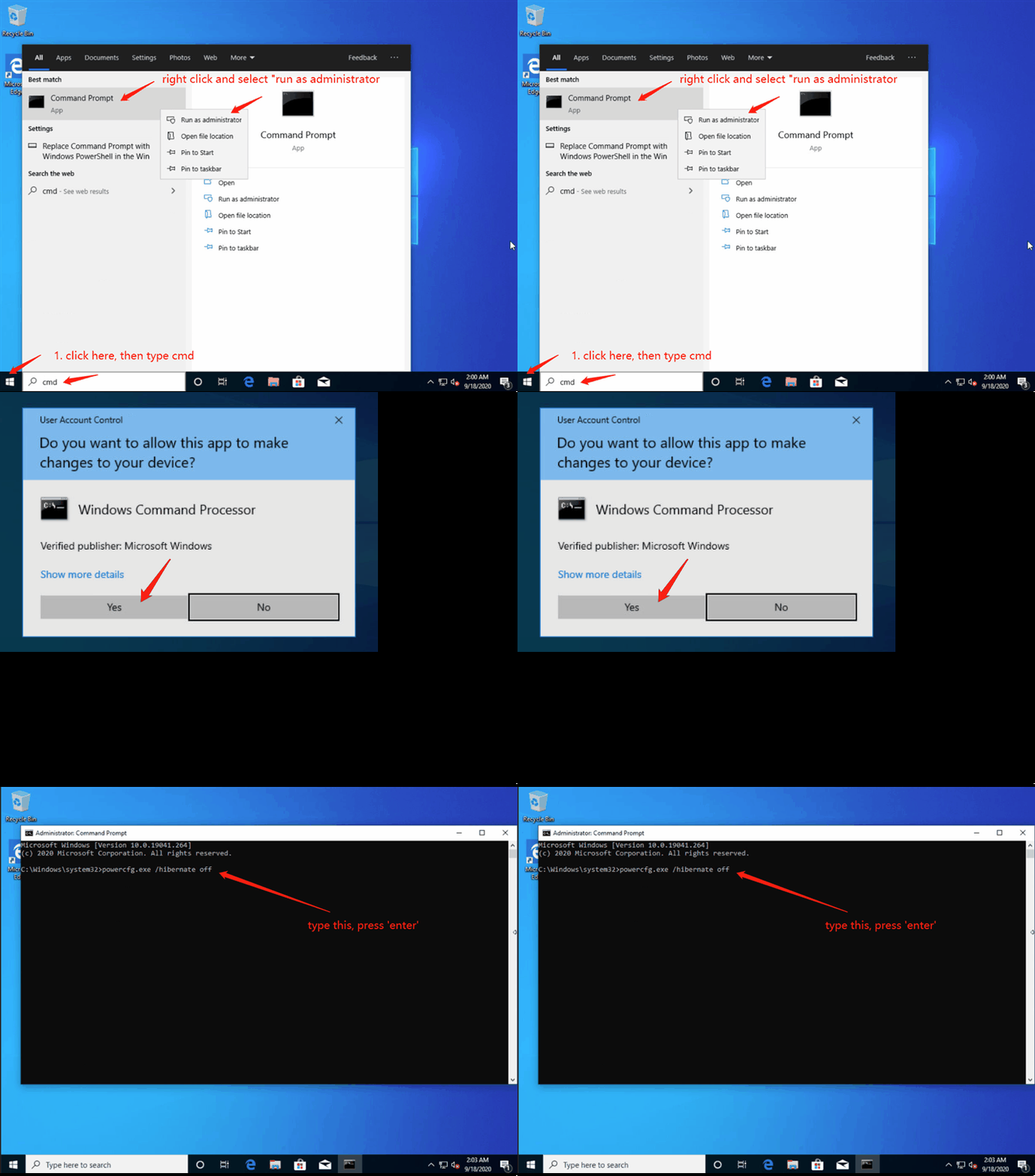
Open the Command Prompt by right-clicking and selecting "Run as administrator", type "powercfg.exe /hibernate off" and press Enter
5. Enable Shutdown/Restart Windows 10 without Any Prompts
In the Registry Editor, navigate to this key: HKEY_USERS\.DEFAULT\Control Panel\Desktop.
Create a new String Value called AutoEndTasks and set its value to 1.
6. Check that the required services are present and set to "Automatic Start"
- Spice-Vdagent : for support of qemu vnc clipboard
- BalloonSerivce: for guest memory usage stats


7. Install and configure Tightvnc to allow proper VNC connection
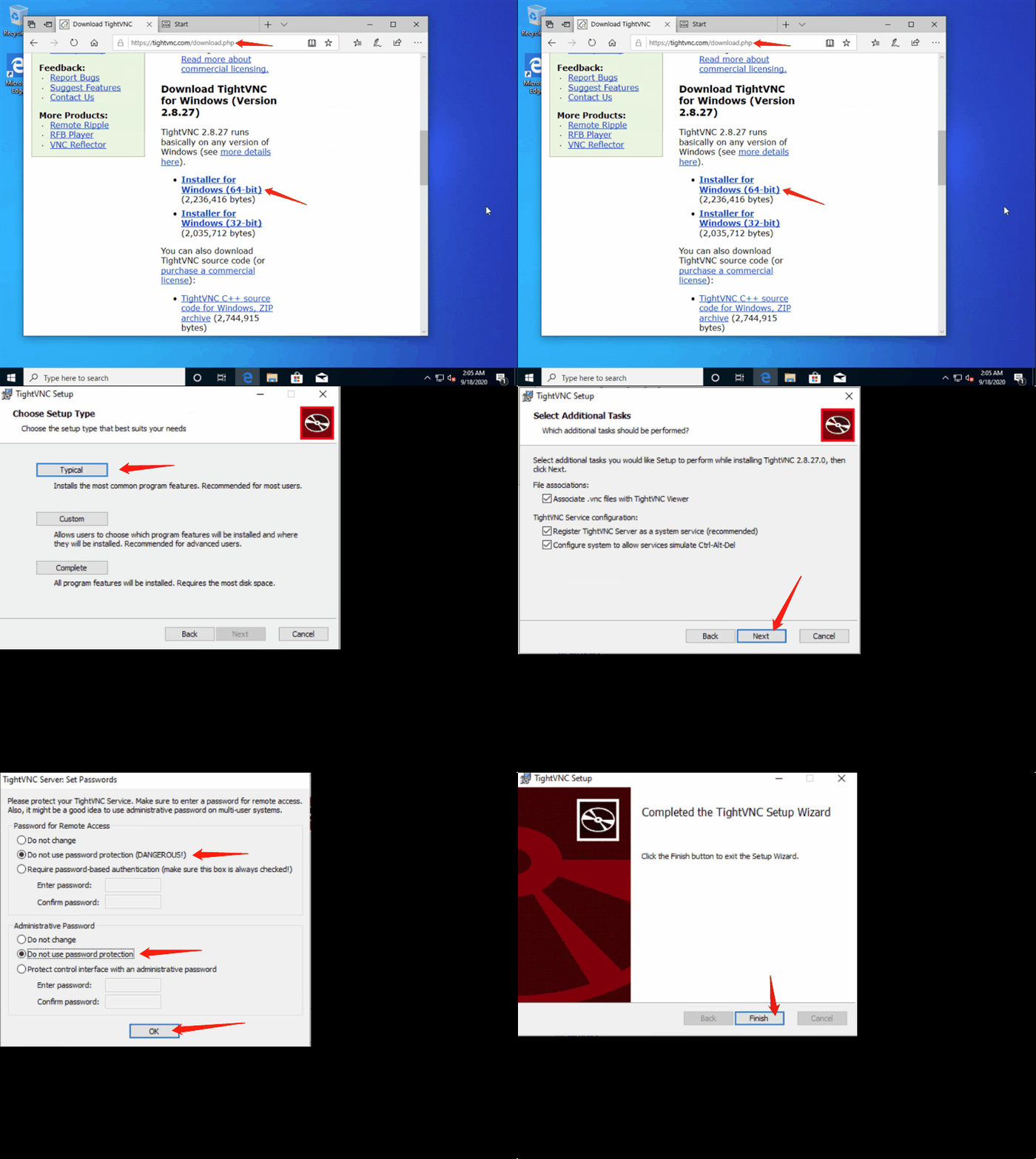
Go to https://www.tightvnc.com/download.php to download TightVNC for Windows installer.
Install it. Once the installation has finished, disable authentication.
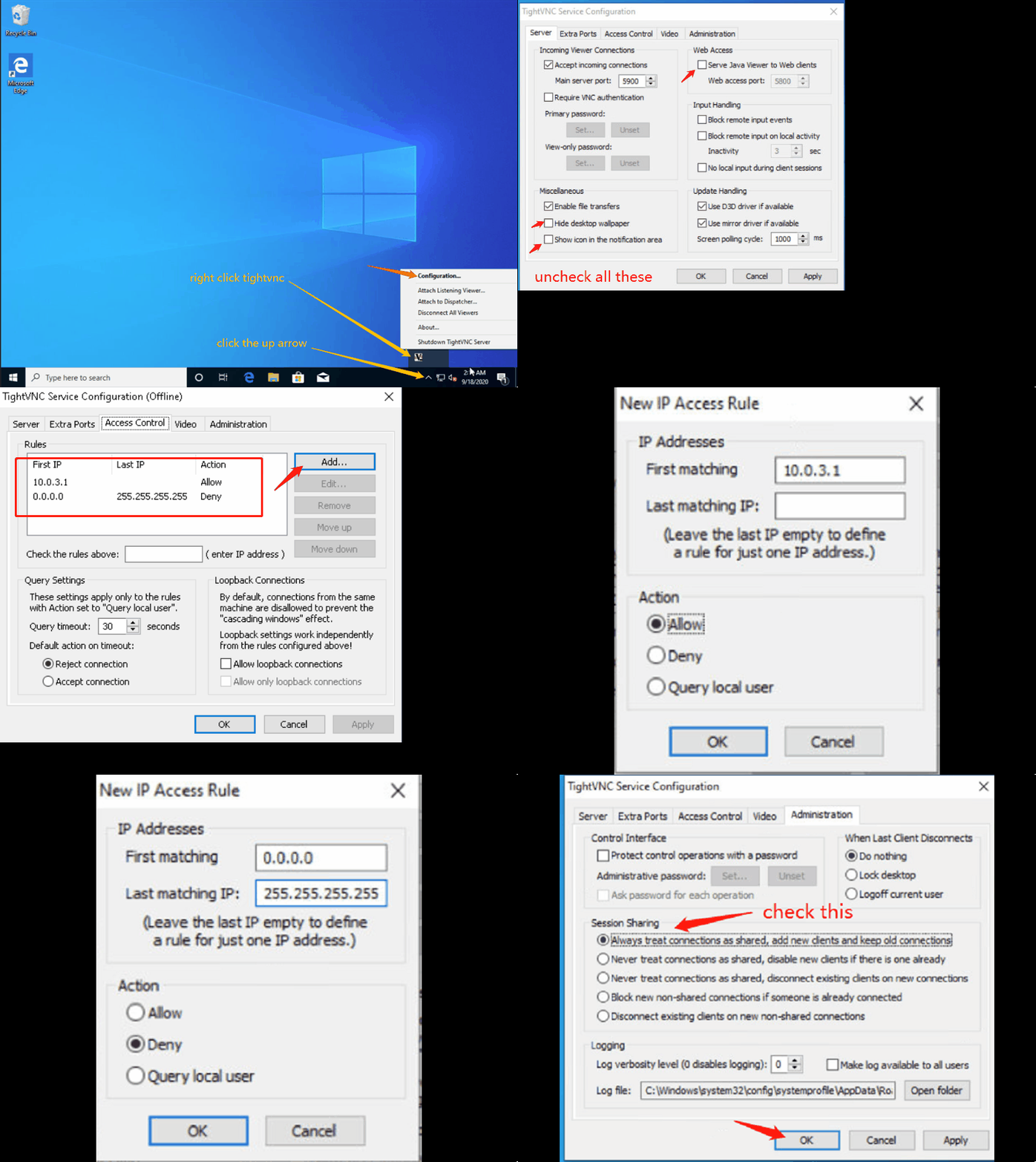
Open "TightVNC service configuration" and configure it
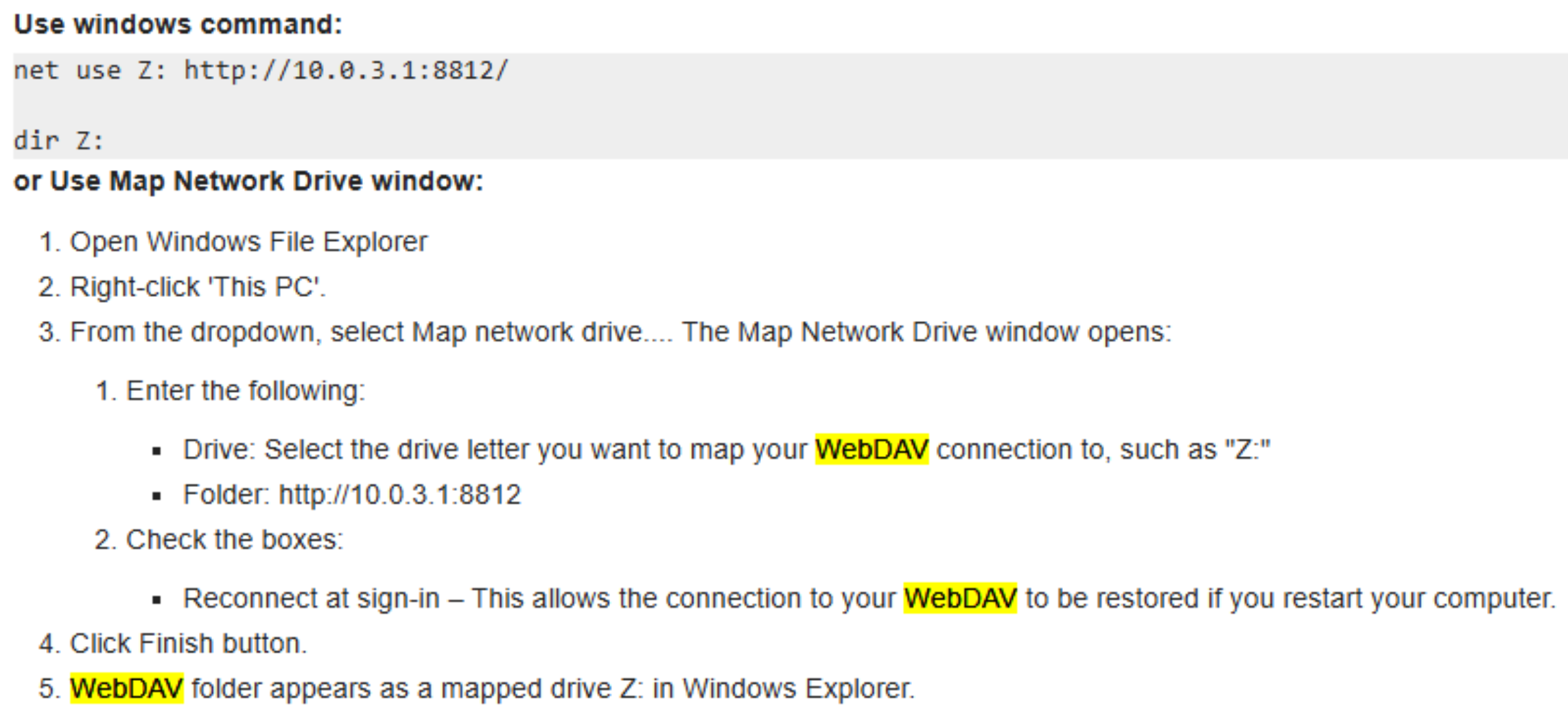
8. Enable Shared-drive
Shared-drive enables cloud desktops to share files with one another during a training course, or between a user's own PC and the cloud desktop. This feature is based on WebDAV file sharing technology. You must map the drive before use. See the screenshot below for instructions.
9. Shutdown your Windows properly
Click the Windows icon in the bottom-left corner, then choose Power > Shutdown
Please Note
To add extra optional features such as
- DDWebdav to synchronise the trainer's content folders to each participant's machine,
- or DDUpload – to easily upload files to a DaDesktop machine;
Please contact DaDesktop Tech Support.